Reverse Osmosis Installation
Install suitable residential RO drinking water systems with appropriate supply, drain, and faucet connections.
Drinking water is an essential part of everyday life. Whether you're filling a water bottle, preparing meals, making coffee, or serving water to your family, having dependable access to filtered drinking water is important.
Guillen Family Plumbing provides reverse osmosis water system services in Hesperia, Victorville, CA, and surrounding High Desert communities. We help homeowners explore drinking water treatment equipment, professional installation, and system replacement.
Reverse osmosis, commonly called RO, uses a specialized membrane to reduce many dissolved substances and selected contaminants from drinking water.
These systems are frequently installed beneath kitchen sinks, providing treated water through a dedicated drinking water faucet. Other configurations may be available depending on the property and treatment requirements.
Reverse osmosis uses water pressure to move water through a semipermeable membrane. The membrane allows water molecules to pass while restricting many dissolved substances and other contaminants.
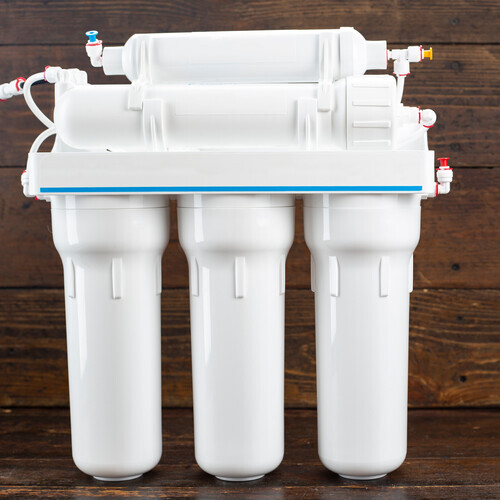
A typical residential reverse osmosis system uses several stages of treatment. These may include sediment filtration, carbon filtration, a reverse osmosis membrane, and additional polishing filtration.
The process creates two streams: treated drinking water and a concentrated reject-water stream that carries away substances separated by the membrane.
Some RO systems store treated water in a pressurized tank, while certain tankless designs produce water on demand.
The effectiveness of a particular system depends on its membrane, prefilters, source water, pressure, and certified performance.
From selecting a new system to replacing aging equipment, professional installation helps ensure your drinking water treatment system is properly connected and maintained.
Install suitable residential RO drinking water systems with appropriate supply, drain, and faucet connections.
Explore compact filtration equipment designed to provide treated drinking water at a kitchen sink or other approved location.
Evaluate space-saving tankless RO equipment based on water production capacity, plumbing connections, and available utilities.
Replace aging, damaged, or outdated reverse osmosis equipment with a suitable updated system.
Review replacement prefilters, postfilters, and membranes according to manufacturer requirements and equipment compatibility.
Install compatible dedicated drinking water faucets and associated connections for qualifying RO systems.
Investigate reduced flow, unusual operation, leaks, or treatment concerns using suitable diagnostic procedures.
Compare qualifying water-efficient RO systems and available WaterSense options for suitable installations.
Reverse osmosis can be useful when a homeowner wants to reduce dissolved substances or particular contaminants identified through water testing.
Depending on its certification, a system may be designed to reduce substances such as lead, arsenic, fluoride, or other specified contaminants.
However, not every RO system is certified for every contaminant. A product's specific performance data should be reviewed before purchase.
Reverse osmosis also requires water to carry rejected substances away from the membrane. This means system efficiency is another important purchasing consideration.
Comparing treatment capabilities, water efficiency, maintenance, and installation costs can help determine whether RO is the best choice.
Explore Reverse Osmosis OptionsProper installation requires attention to water quality requirements, filtration equipment, plumbing connections, and manufacturer instructions.
We discuss the property's water supply, drinking water goals, available testing, and existing plumbing to evaluate suitable RO system options.
The selected system is installed with compatible water supply connections, a dedicated drinking water faucet, appropriate reject-water drainage, and any other required components.
The system is checked for leaks and proper operation. Startup and flushing procedures are followed, and filter replacement and maintenance needs are explained.
Reverse osmosis systems require regular maintenance to continue operating as their manufacturers intended.
Sediment and carbon prefilters are commonly replaced on schedules determined by the equipment manufacturer and water conditions.
RO membranes have different service-life requirements and may need replacement based on performance, water chemistry, and system specifications.
Reduced drinking water flow, unusual equipment operation, or changes in water quality may warrant inspection.
Regular service also helps identify leaking fittings, aging tubing, and other plumbing issues before they become larger problems.
Learn more about reverse osmosis installation, filtration, maintenance, and drinking water treatment.
Reverse osmosis systems reduce total dissolved solids and can reduce specific contaminants depending on their design and certification. Some models are certified to reduce substances such as lead, arsenic, or fluoride. Always review the individual system's verified performance claims.
The better choice depends on the water treatment goal. Carbon filtration commonly addresses chlorine taste and odor, while reverse osmosis membranes can reduce many dissolved substances. RO systems often include carbon filtration as part of their multi-stage treatment.
Yes. Reverse osmosis produces a reject-water stream during treatment. The amount varies significantly among systems. WaterSense-labeled point-of-use RO systems meet EPA efficiency requirements and may reduce water consumption compared with less efficient equipment.
Replacement intervals depend on the equipment model, water conditions, water usage, and manufacturer instructions. Sediment filters, carbon filters, and RO membranes may require different replacement schedules.
Many residential RO systems are designed for under-sink installation. The available space, water pressure, plumbing connections, reject-water drain, and dedicated faucet location must be evaluated for compatibility.
Guillen Family Plumbing serves Hesperia, Victorville, and surrounding High Desert communities. Call 760-995-1529 to discuss reverse osmosis system installation, replacement, and maintenance options for your property.
Whether you're installing your first reverse osmosis system, replacing older equipment, or comparing modern under-sink and tankless filtration options, Guillen Family Plumbing is here to help.
We provide reverse osmosis water system services in Hesperia, Victorville, Apple Valley, and surrounding High Desert communities, focusing on appropriate equipment, dependable installation, and long-term maintenance.