Gas Leak Investigation
Evaluate suspected gas piping issues after emergency responders or the utility have addressed any active hazard.
If you smell gas, hear gas escaping, or suspect a natural gas leak, leave the area immediately. Do not operate electrical switches, use a phone in the affected area, start vehicles or equipment, smoke, or create flames or sparks. Do not try to find or repair the leak.
From a safe location, call SoCalGas at 1-800-427-2200 . Call 911 promptly if the situation threatens life or property or you cannot reach the utility. Do not return until authorized responders say it is safe.
Routine plumbing service requests should be made only after any immediate gas emergency has been addressed.
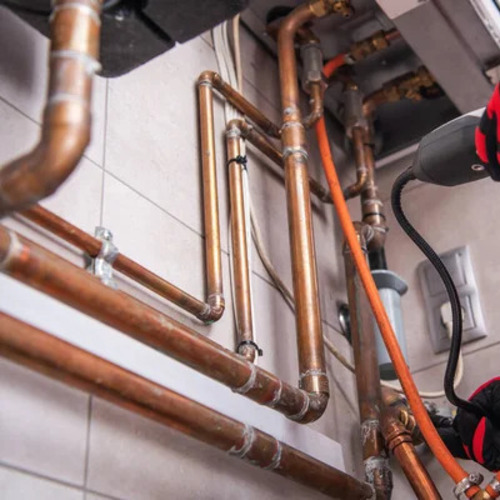
Natural gas is used throughout many High Desert homes and businesses to power water heaters, furnaces, kitchen ranges, dryers, and other appliances. Gas piping must remain properly installed, maintained, and tested to support safe operation.
Guillen Family Plumbing provides gas leak detection and gas piping testing services in Hesperia, Victorville, CA, and surrounding High Desert communities. Our plumbing professionals help evaluate gas piping concerns after the location has been confirmed safe for inspection.
Whether testing is needed following a gas utility shutoff, during a piping repair, or as part of a gas line modification, proper diagnostic procedures help identify conditions requiring corrective work.
We focus on careful evaluation, appropriate testing methods, and practical recommendations based on the gas piping system.
Gas piping carries fuel from an approved supply source to appliances throughout the property. The system may contain multiple branches, fittings, valves, and appliance connections.
Pipe corrosion, physical damage, deteriorating fittings, and improper installation can affect system integrity. Some conditions are identified during routine appliance replacement or renovation work.
Gas testing requires specialized procedures because leaking natural gas creates fire and explosion hazards. A qualified professional must determine which tests are appropriate for the type and condition of piping.
An inspection may help identify whether an affected section requires repair, replacement, additional testing, or coordination with the gas utility.
Gas piping systems differ by property, equipment, installation conditions, and jurisdiction. Testing is selected according to the work required and applicable safety procedures.
Evaluate suspected gas piping issues after emergency responders or the utility have addressed any active hazard.
Perform appropriate pressure tests on qualifying gas piping systems according to applicable procedures and requirements.
Inspect accessible gas pipe joints, valves, fittings, and connections for visible concerns and testing needs.
Assess gas piping serving water heaters, furnaces, ranges, dryers, and other compatible equipment.
Evaluate customer-side piping work and applicable testing needs following a utility service interruption.
Investigate permitted repair and testing needs involving buried customer-owned gas piping where appropriate.
Verify repaired gas piping sections using the testing procedures required before authorized service restoration.
Evaluate aging or modified gas piping and identify conditions that may require repair, replacement, or further inspection.
Natural gas is commonly odorized to help people recognize a possible leak. The odor is often described as rotten eggs or sulfur.
Other warning signs can include an unusual hissing or roaring noise near piping, damaged appliance connections, disturbed soil around underground lines, or unexplained vegetation damage.
However, not every gas leak produces an odor that can be detected by everyone. Never rely on smell alone to determine that a gas piping system is safe.
If any sign causes you to suspect an active leak, leave immediately. Do not approach the suspected source to investigate.
From a safe location, contact SoCalGas at 1-800-427-2200, or call 911 if an emergency threatens life or property.
The process begins only after the location is safe for qualified personnel to inspect. Testing methods vary according to the system and situation.
After any active emergency has been addressed, the affected piping, equipment connections, and available service history are evaluated to establish the testing scope.
Qualified personnel use applicable leak detection and pressure testing procedures to evaluate selected piping sections and identify concerns.
Results are reviewed to determine whether repairs, pipe replacement, permits, inspections, or gas utility coordination are necessary before service can resume.
No single test is appropriate for every gas piping system. Qualified technicians select procedures based on pipe condition, accessibility, and the applicable requirements.
Suitable gas detection instruments can help qualified professionals investigate suspected gas concentrations around accessible locations.
Equipment selection and interpretation are important because conditions can affect detection results.
Approved pressure testing procedures may help evaluate the integrity of designated piping sections under controlled conditions.
Test pressure, duration, isolation, and equipment must meet applicable requirements for the system.
Qualified personnel can evaluate accessible valves, fittings, and pipe joints using approved leak detection procedures.
Identified defects may require component repair or replacement followed by appropriate retesting.
Important: This information describes professional diagnostic methods, not homeowner testing instructions. Never attempt DIY testing or use a household appliance to investigate a suspected active gas leak.
Once the affected piping and required corrective work are identified, a qualified professional can evaluate whether a fitting, pipe section, or larger gas piping run needs attention.
Gas line repairs may require permits and inspections, depending on the location and extent of the work. Gas utility coordination may also be necessary, particularly after service has been shut off.
Guillen Family Plumbing can discuss repair options and the next steps for eligible customer-side gas piping work.
Gas service must not be restored until the required testing, inspections, and utility or authorized personnel procedures have been completed.
Discuss Non-Emergency Gas TestingLearn about gas leak warning signs, professional testing, utility coordination, and the difference between detection and repair.
Immediately leave the affected area. Do not use electrical switches, phones inside, flames, vehicles, or anything that may create a spark. From a safe location, call SoCalGas at 1-800-427-2200. Call 911 if the situation threatens life or property or you cannot reach the utility. Do not return until the area has been declared safe.
Qualified professionals may use suitable gas detection instruments, approved connection testing procedures, and piping pressure tests, depending on the situation. The appropriate method depends on piping materials, access, and applicable safety requirements.
Yes. Although natural gas is commonly odorized, some people may not detect the odor, and certain conditions can reduce its detectability. Never assume a gas system is safe solely because you cannot smell gas. If you suspect a leak, evacuate and contact the utility.
Yes. Gas leak detection involves professional evaluation and testing to identify a suspected piping problem. Gas line repair involves correcting damaged piping or connections. After repairs, additional testing and approvals may be necessary before gas service is restored.
Yes. Depending on why service was interrupted, repairs, pressure testing, permits, inspections, or utility authorization may be required before gas service can resume. The gas utility and local authority determine the applicable restoration requirements.
Guillen Family Plumbing provides gas leak detection and gas piping testing services in Hesperia, Victorville, and surrounding High Desert communities. Call 760-995-1529 for routine testing or follow-up plumbing service after any immediate gas emergency has been resolved.
Guillen Family Plumbing provides non-emergency gas piping inspection and testing services in Hesperia, Victorville, and surrounding High Desert communities.
Whether you're following up on a utility shutoff, planning piping repairs, or addressing a gas connection concern after the property has been made safe, contact our team to discuss the appropriate next steps.
For a suspected active gas leak, evacuate first and contact SoCalGas at 1-800-427-2200 or emergency responders.